Explore the key findings
What emerging health and wellbeing themes do HR, people managers and wellbeing professionals need to stay informed about this year?
Our yearly report pulls together insights from Google search data, national statistics, social media, consumer trends and new research.
Private healthcare: an opportunity for UK businesses
Healthcare benefits attract top talent
Employee benefits such as private healthcare, health cash plans and mental health support are increasingly valuable to workers.
With the job market looking tough for employees, many are ‘job hugging’ to keep their security and benefits in place. In 2026, employer support could be the deciding factor in securing (or keeping) top talent.
And with private healthcare usage trending upwards, there’s a big opportunity for employers to use workplace benefits to retain their best people and make them feel valued, without breaking the bank.
Read more...
With the job market looking tough for employees, many are ‘job hugging’ to keep their security and benefits in place. In 2026, employer support could be the deciding factor in securing (or keeping) top talent.
And with private healthcare usage trending upwards, there’s a big opportunity for employers to use workplace benefits to retain their best people and make them feel valued, without breaking the bank.
‘Private health insurance’ Google search trend over 18 months
100
50
0
Jun 2024
Mar 2025
Nov 2025
Job hugging
verb.
When someone stays in their current job because of fear and desire for stability, even if they’re not satisfied or growing in the role.
7,400,000
people are waiting for NHS hospital treatment, with 2.9 million of them waiting over 18 weeks.
Fast access to treatment can help get workers back to full health, and back in their roles, before their condition escalates.
And with 37% of workers worried about access to the NHS, there’s a real opportunity for employers to step up and provide support.
Healthier employees = happier workplace
Employees with high wellbeing report half as much absence and two-thirds less presenteeism than those with low wellbeing.
This highlights how access to timely treatment and preventative care can directly impact productivity and team resilience.
These benefits aren’t just nice-to-haves — they’re becoming essential tools to reduce burnout, improve productivity and create healthier, more engaged teams.

Financial worries are still ranked the leading cause of anxiety from 2024 to 2025.




Key insights for businesses
As concerns continue for financial wellbeing and the job market, companies that provide private healthcare, mental health resources, and cash plans are better equipped to retain talent.
Business leaders can contribute by:
- Taking ownership of employee health
- Ensuring preventative support is accessible to all
- Tailoring employee benefits to their people’s needs
This year, employers should reassess their employee health benefits to make sure they’re having an impact. It requires more than a tick-box approach, but the time invested in getting it right pays off — it’s not just the right thing to do, it makes good business sense as well.
Meet your new therapist: ChatGPT
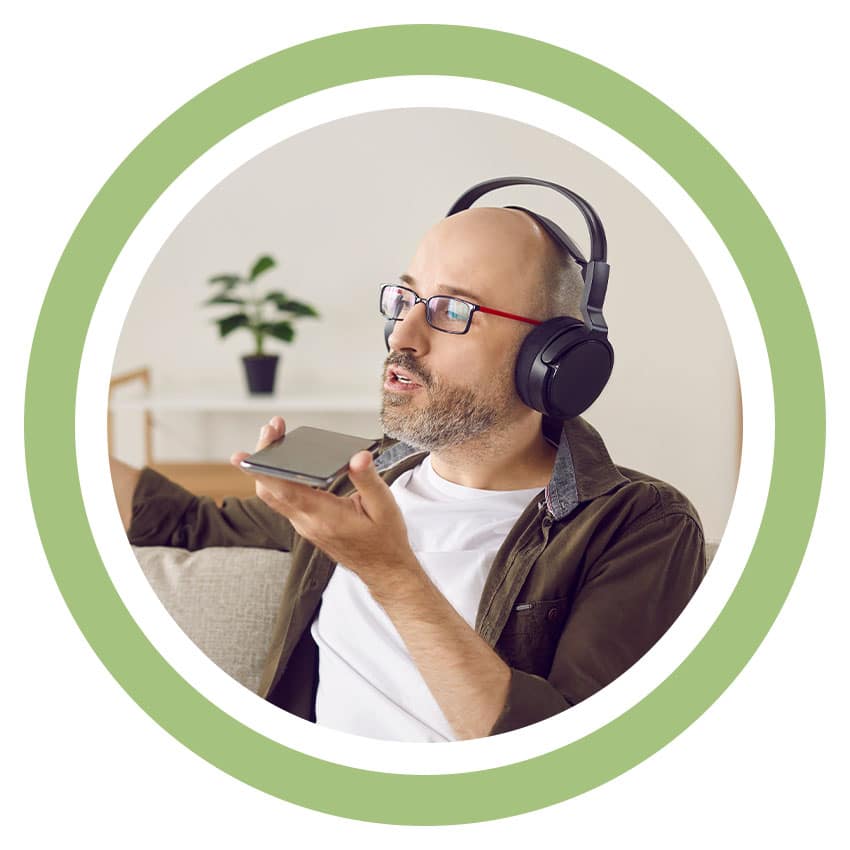

I love ChatGPT as therapy. They don’t project their problems onto me. They don’t abuse their authority. They’re open to talking to me at 11pm.
- Reddit user Big_Significance6949
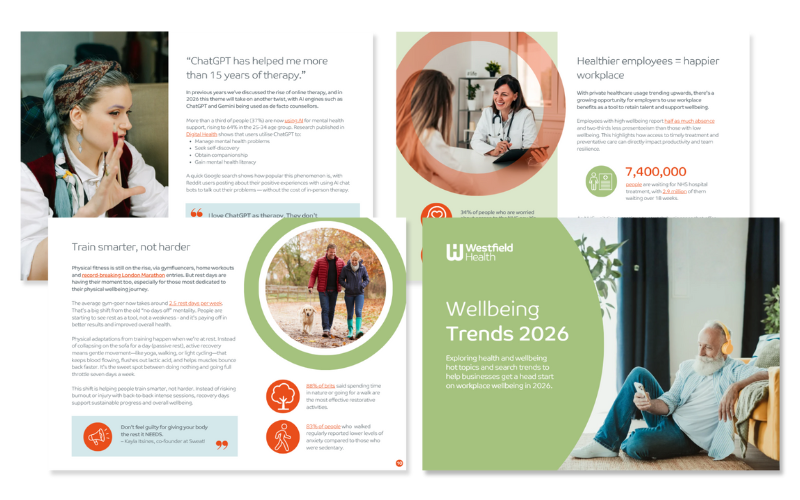
“ChatGPT has helped me more than 15 years of therapy.”
The recent rise in online therapy is taking on another twist, with generative AI engines such as ChatGPT and Gemini being used as de facto counsellors.
Research published in Digital Health shows that users utilise ChatGPT to:
- Manage mental health problems
- Seek self-discovery
- Obtain companionship
- Gain mental health literacy
A quick Google search shows how popular this phenomenon is, with Reddit users posting about their positive experiences with using AI chat bots to talk out their problems — without the cost of in-person therapy.
Potential dangers of AI therapy
While users are generally impressed with AI’s ability to talk them through their problems, there are notable risks to relying on chatbots instead of a qualified therapist.
The research reveals that users have little concern for the ethics of AI therapy, and a general misconception that ChatGPT is objective and impartial, when in reality it often has biases.
Users seem to be seeking therapy that is emotionally available, without being critical or negative in its judgement.
This points to a lack of understanding of mental health services and the role that a qualified therapist can play.
If ChatGPT only reinforces a user’s own perceptions and beliefs, it risks creating an echo chamber where their views go unchallenged, which is unconducive to successful therapy.
echo chamber
noun.
An environment in which a person only encounters beliefs that coincide with their own, so their existing views are reinforced and alternatives are not considered.
AI workouts and training plans
As well as a substitute therapist, Chat GPT is popular as a virtual personal trainer, with people using it to generate workout plans and gym advice.
With the right prompt, users can generate a running plan, strength routine or diet tips tailored to their needs.
As with any AI tool, it should be used with caution. Creating a suitable plan requires some existing knowledge, so it’s not ideal for beginners or those carrying injuries.
Searches for ‘AI coach’ saw a spike in October 2025.
ChatGPT workout plan tips
- Tell AI to act as a coach, prompting it to ask questions about your lifestyle and create a personalised response.
- Be specific about your goals and capabilities to make sure your plan is realistic — the more detail, the better.
- AI is not a substitute for professional advice, so seek guidance when dealing with an injury, training for a sport or trying a new exercise for the first time.
Rest is best
Common poor relaxation habits
0%
35%
70%
What types of rest truly restore us?
Rest is no longer just about doing nothing — it’s about doing what truly restores you. As wellbeing trends evolve, people are seeking intentional recovery methods that go beyond passive habits.
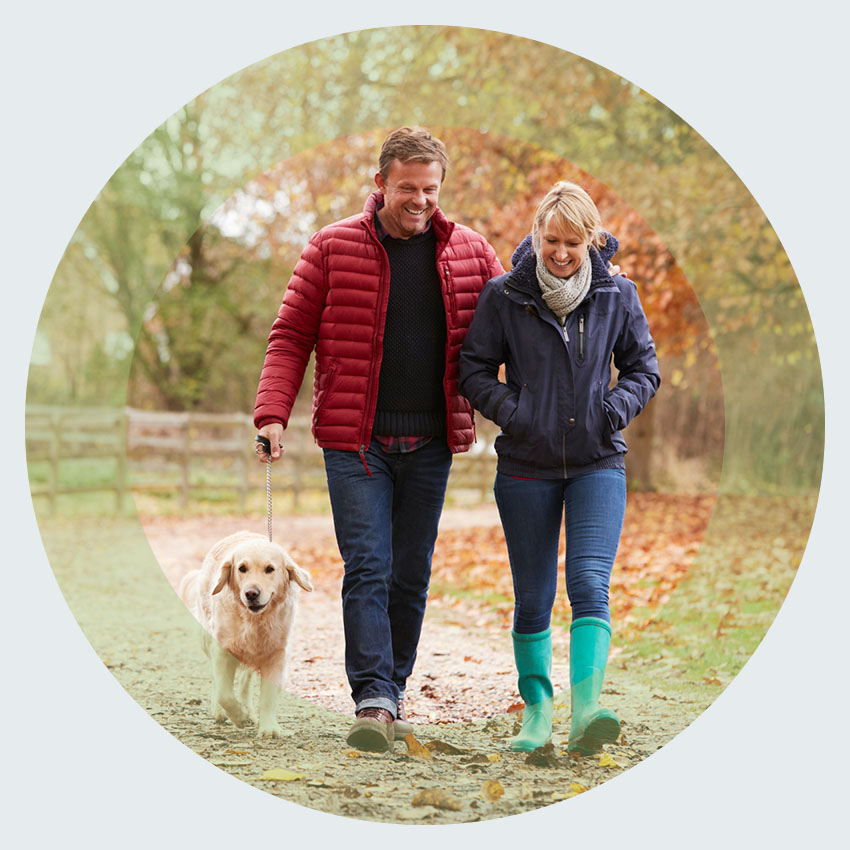
88% of people in Britain say spending time in nature, be it wild swimming or just taking a walk, is the most effective restorative activity. This highlights a growing preference for active, mindful rest over passive habits.
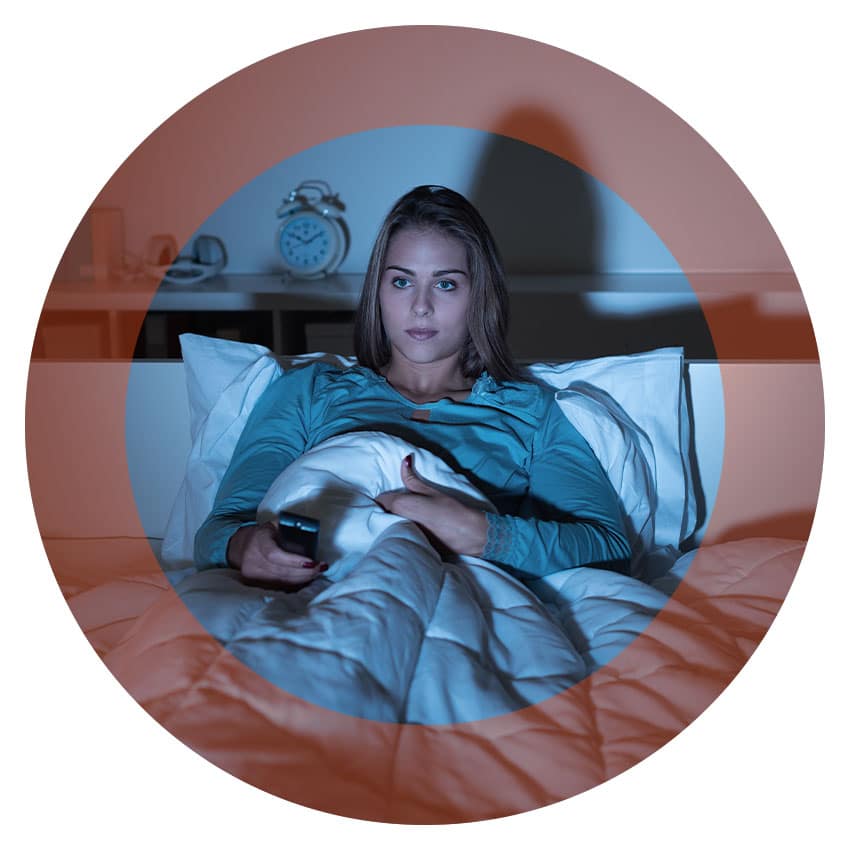
On the flip side, common relaxation habits like bed rotting (54%), scrolling social media (54%), and treating yourself with food (66%) were rated least effective. These activities may feel comforting but don’t deliver the same mental reset as intentional recovery.
Train smarter, not harder
Physical fitness is still on the rise, via gymfluencers, home workouts and record-breaking London Marathon entries. But rest days are having their moment too.
Physical adaptations from training happen when we’re at rest. Active recovery is more effective than passive rest or continuous, strenuous exercise through the week.
The average gym buff takes 2.5 rest days per week as part of their workout routine, and the importance of rest in gaining muscle and improving overall health is now well-recognised.
With more people embracing recovery days to train smarter, not harder, it’s a trend that supports balance and wellbeing.
Sleep is the secret weapon
Deep sleep plays a vital role in recovery, cognitive function, and physical performance, making it a cornerstone of a healthy lifestyle.
As we move into 2026, prioritising sleep is becoming a major wellness trend. In fact, 58% of people feel more health-conscious than five years ago, and 40% say their sleep patterns are key to supporting mental wellbeing.
From SAD lights to glycine supplements, innovative solutions are gaining traction as people look for ways to improve sleep quality and overall balance.

The UK glycine supplement market is set to nearly double by 2035.
40% of people say their sleeping patterns are a key aspect of taking care of their mental wellbeing.
68% of gym-goers say that improving their sleep quality is a motivation to attend.
Rest and recovery tips for employers
Businesses that encourage healthy sleep and rest can help employees feel more energised, focused, and ready to perform at their best.
Create dedicated spaces for recharge
Provide spaces where employees can take short breaks to reset during the day.
Encourage micro workouts during the workday
Short, energising exercises, such as stretching or quick cardio sessions, can help reduce stress.
Integrate movement into meetings and team activities
Promote outdoor walking meetings or active team-building exercises to help people prioritise movement.
Offer flexible schedules for recovery and balance
If possible, allow employees time to recharge with flexible hours, helping them maintain a healthy work-life balance.

Active Space
A flexible space away from desks, where employees can take a break, recharge, focus on their mental wellbeing, or even fit in some light exercise.

Preventative health gets personal

By Dave Capper,
CEO Westfield Health
Prevention is the missing link in the UK’s growth plan
Charlie Mayfield’s recent government review, Keep Britain Working, made the scale of the UK’s long-term sickness problem clear: millions are falling out of the workforce not because they want to, but because their health won’t let them work.
Many of these cases could have been prevented with early intervention — before sickness became long-term and livelihoods were lost. Yet our system is designed to react to illness, not prevent it. NHS waiting lists dominate headlines, but they are a symptom, not the root cause.

One in five working-age adults, over 9 million people, are now economically inactive.

Almost three million cite long-term sickness as their reason for being out of work.
Why business is part of the solution
Over the past year, in conversations with business leaders across the UK, we’ve heard a consistent message: employers want to invest in the health and wellbeing of their people, but it’s becoming harder to do so.
They understand their people better than any central system can. Through education, access to preventative services, and supportive workplace cultures, they can stop employees becoming part of the long-term sick cohort.
This isn’t just theory. Major employers — from Google to Sainsbury’s to British Airways — are already involved in initiatives like the Keep Britain Working Vanguard, proving that large organisations want to be part of the solution
Estimated economic cost of the UK’s long-term sickness crisis:
£85,000,000,000
In their Autumn Budget, the Government announced 250 new Neighbourhood Health centres, but this falls short of what’s needed to truly shift the dial.
While measures may help reduce pressure on hospitals in the short term, they don’t join the dots between Treasury policy, businesses and the NHS - and without that alignment, waiting lists will remain a visible symptom of a deeper sickness crisis.
The dopamine debate
Reward progress, not perfection
‘Dopamine detoxes’ have been trending for years now, and everyone from clothes designers, to app developers, to interior decorators are jumping on the trend for profit. But there’s still a lack of understanding around the science and how to put it to use.
Triggering short-term dopamine release is already the aim behind reels, app designs and consumer goods. So, is it really something we can utilise for our own benefit?
The science suggests it’s not so simple, and the role of dopamine is often misunderstood, making it another buzz word that causes confusion.
‘Dopamine’ Google search trend over the past 5 years
100
50
0
Nov 2019
Nov 2024

Research shows that interactive experiences generate 53% higher engagement than static content.
Diaries over doom-scrolling
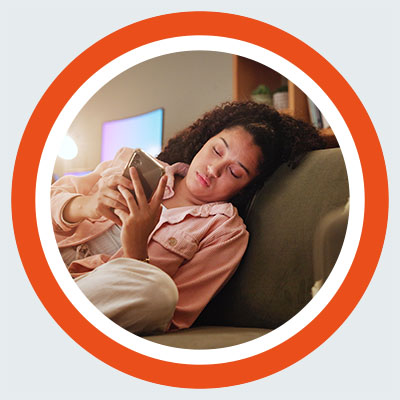
Millions of people are looking to break the cycle of doom-scrolling and take control of habits that make them feel better - that’s why the dopamine menu trend is gaining traction.
Instead of mindless scrolling or mobile gaming, the dopamine menu swaps those habits for actions that spark joy and purpose without draining mental energy.
Creating a personalised list of small, purposeful activities delivers healthy dopamine hits. These can include wellbeing tasks, creative hobbies, or quick wins that give a sense of progress and satisfaction.

19% of Brits admit to scrolling on their phones for over five hours per day.

The dopamine diary creates more self-awareness, leading to better emotional wellbeing.
Dopamine debunked
While popular dopamine trends can have a positive effect on our wellbeing, the role of the neurotransmitter remains misunderstood. It’s time to debunk some common myths.
Myth:
Dopamine makes us feel good.
Reality:
Dopamine impacts our motivation and cravings but doesn’t actually make us feel happy.
Myth:
A ‘dopamine detox’ replenishes our dopamine stores.
Reality:
Reducing addictive behaviours is a positive step but not because it creates more dopamine — rather it helps us build healthy habits instead.
Myth:
Quick fixes can boost our dopamine.
Reality:
Sort of. Some dopamine trends can certainly have an impact, but what works best is a healthy diet, exercise and good sleep.

110,000 Instagram posts and over 10 million TikTok views feature the hashtag #DopamineDecor
Download the full wellbeing trends report
What wellbeing trends will we see in the workplace in 2026?
Explore the most-searched health and wellbeing topics and what we should expect from these trends looking forward to 2026, including more tips and advice for managers and HR teams.