
More people than you think are walking around without perfect vision, 74% of people in the UK either wear corrective eyewear or have had laser eye surgery. Having less than perfect eyesight is quite common. Corrective eyewear helps you see better and reduces the chances of getting common side effects such as migraines or eye strain.
For the majority of the population, eyecare is something we have to fund ourselves and the cost of prescription glasses and contact lenses can add up. As eyecare is essential for those who need prescriptions, many people will just pay the price without considering if there’s a different way that could save money. Alternatively, some may just skip on eyecare completely to avoid short-term costs, risking their eye health in the long run.
How much do we spend on our eye care each year?
Although eye tests aren’t particularly expensive, the upkeep of glasses or contact lenses can add up if you aren’t prepared. Not only this but having bad eyesight is essentially a permanent condition and typically gets worse as we age. The amount spent on eye care just adds up over the course of our lives.
Eye tests
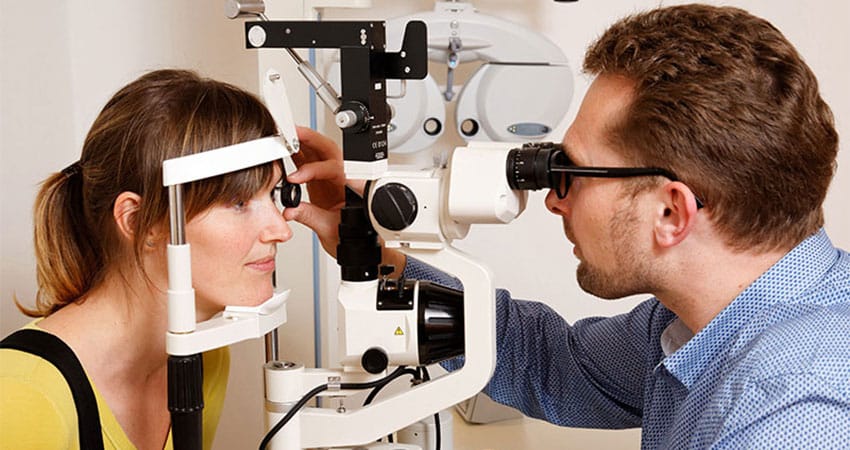
Depending on where you have your appointment, eye tests tend to cost around £20-30. The average person should get their eyes tested at least every two years, or if you ever notice a change in your vision. People who have particularly bad sight might be recommended to have eye tests more often to ensure their prescription is always appropriate.
Prescription glasses
The amount you spend on glasses depends on the style and brand you opt for. Designer brands are naturally more expensive, so if you’re wanting to keep the costs lower, opt for a more affordable option. For a pair of glasses, including frames and lenses, it generally costs about £170. Keep in mind that additional features could increase the cost, such as if you want your lenses to be slimmed or if you choose transition lenses.
Contact lenses
With contact lenses, the price you pay depends on the option you go for. You can get lenses in either monthly or daily packs, with the daily ones working out to be more expensive than the monthly version. For monthly lenses, you are looking at paying around £28 a month, with a 3 month supply of lens solution being roughly £15.
Symptoms of poor eyesight that cost employers and employees
Poor eye sight can have a financial impact on both employers and employees, but how can you spot the symptoms of poor eyesight for early intervention? Symptoms of poor eyesight in the workplace can include:
- Struggle to focus vision or blurred vision: Struggling to focus on monitors or experiencing blurred vision during the work day is one of the most common symptoms of poor eyesight that requires treatment to support future eye health.
- Itching, dry or red eyes: Dry eyes are common for employees working w high screen exposure that limits blinking habits, or workplaces with exposure to hazardous materials that may irritate their eyes.
- Eye tiredness or strain: Feeling tension or tiredness in the eyes is a common symptom of poor eye health, often caused by screen glare and digital eye strain, however, it can also be a early symptom of conditions such as hyper tension or diabetes.
Treating these symptoms can cost employees with eye tests, prescriptions and other treatments. On average an employee struggling with poor eye sight will lose 41 minutes per day when screen reading and spend between £65-200+ out of pocket each year on self-funded eye care.
Meanwhile, businesses see a productivity and workplace cost when workers struggle with poor eye sight. In fact, 2025 research has shown that employee poor eyesight costs the UK economy around £21.4 billion due to slower reading times, reduced productity and avoidable mistakes,
Save money on your eyecare with vision benefits
With a health cash plan, you can pay monthly to fund eye care such as tests, glasses or prescriptions. You’ll also be covered for a range of other medical expenses, such as dental care or therapy treatments. The amount of cover you receive for optical care will depend on the level of health cash plan you opt for. At Westfield Health, we have plans that range between level 1 and 5, so there will be an option that suits your needs and budget.
What’s covered on the eye care benefit?
For optical care the benefit period spreads over two years, so you can claim back the total allowance over two years. For those with a level 3 health cash plan, our most popular level, you can claim back up to £145. We will cover 100% of the cost, up to the maximum for your plan level. This includes cover for:
- Eyes tests
- Prescription glasses, sunglasses and/or contact lenses
- Solutions for use with your prescribed contact lenses
- Prescription lenses to an existing frame
- Repairs to prescription glasses
- Payments that you make for prescription contact lenses supplied under a monthly scheme when you obtain the receipt
Having a health cash plan helps ease the worry when those charges crop up, or if you have a glasses emergency and unexpectedly have to pay for a new pair. They can even help you to treat yourself to some designer frames rather than opt for the cheapest pair.
Cut costs on poor eyesight with eye care benefits
If you have to regularly visit the optician or need corrective eyewear, then a health cash plan could help save you money. For more information about prices, levels and what you are covered for, visit our health cash plan page.
If you want to find out more about how much you could save with a health cash plan, we have an easy to use savings calculator.
Comments
It is over two years since I last claimed optical benefit, am I still in benifit.
Hi Anthony,
You can check your benefit balance on My Westfield or by giving us a call.
Our friendly customer care team are available on 0114 250 2000, Monday to Friday between 8.30am and 5.30pm (except Bank Holidays).
Best wishes
The Westfield Health Team