AI continues to be a buzz word in 2026, bringing both excitement and fear. With Chat-GPT being hailed as an all-in-one personal assistant, and months-long NHS wait lists for counselling, it’s no surprise that people are now AI for mental health support. Is 2026 is shaping up to be the year where chatbots step into roles traditionally held by humans, from counsellors to personal trainers?
Chat-GPT as a listening ear
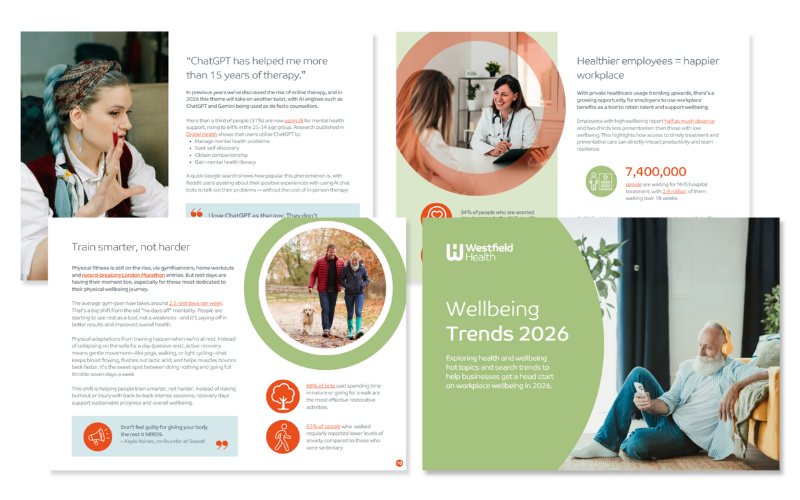
Online therapy platforms like Better Help have been gaining popularity for year, but now the trend is evolving further, with AI‑driven conversations become normalised. Recent research shows that over a third of people (37%) have already used AI for mental health support, and usage is even higher among 25–34‑year‑olds, reaching 64%.
People are turning to tools like ChatGPT and Gemini for a variety of reasons, whether it’s to better understand their feelings, look for practical guidance, learn new coping strategies or even to find a sense of companionship. A quick browse of Reddit confirms that many users describe genuinely positive experiences from talking through problems with a chatbot, appreciating the judgement‑free environment and zero cost.
Can AI really replace a therapist?
While many find AI surprisingly helpful for a quick chat or moment of clarity, the idea that it can replace a trained mental health professional is far more complicated.
One of the biggest concerns identified in recent studies is that users often assume chatbots are unbiased, objective and always accurate. In reality, AI systems can still reflect underlying biases, and they’re not equipped to provide the nuanced, evidence-based support a qualified therapist offers.
Another issue is the way people may be using AI as a source of validation. Users appreciate AI because it feels non‑critical, but a good therapist will also challenge their client’s behaviours and provide professional expertise. Without that, conversations risk becoming an echo chamber where unhelpful beliefs go unexamined.
These patterns suggest a gap in understanding about what real therapy involves and highlight why AI should be seen as a complement, not a replacement, for professional care.
AI personal trainers
It’s not just emotional support where people are turning to AI for help. ChatGPT is fast becoming a go‑to digital fitness coach, with users generating custom running plans, gym routines and even nutritional advice in seconds.
This is particularly appealing for people who want personalised guidance but may not have the budget for a coach, or simply prefer to work things out privately and at their own pace.
Specialist apps like Runna take this a step further by using real‑time data from wearables to shape bespoke training programmes that adjust as your fitness grows.
But again there’s a catch. AI fitness guidance works best if you already have a basic understanding of exercise. Beginners or anyone carrying an injury are more likely to receive plans that aren’t safe or suitable. Even on Reddit, many top discussions revolve around users asking others to double‑check whether an AI‑generated workout is actually any good.
Getting the best out of an AI‑Generated training plan
If you’re considering using AI as your digital coach, here are some simple ways to make it safer and more effective:
- Ask it to act as a coach. Encourage it to gather information about your lifestyle, routines and preferences before creating a plan.
- Share lots of detail. Clear goals and honest information about your ability level lead to more realistic, personalised suggestions.
- Know when to seek real advice. For injuries, new exercises or sport‑specific training, a qualified professional is still the best option.
What else is new in 2026?
Our Wellbeing Trends 2026 report highlights five key themes shaping the year ahead.
Drawing on NHS insights, search trends, consumer behaviour and Westfield Health’s own research, the report gives businesses an early advantage in tackling the issues that matter most to their people now and in the months to come.