
In our Wellbeing Trends 2026 report, we explore the emerging workplace trends and topics. This year’s ones to watch include the rise of private healthcare, AI as emotional and physical support, rest and recovery, preventative health and the dopamine debate.
Health concerns like long NHS wait times and rising long-term sickness continue to dominate, while there is a growing interest in private healthcare and a government-backed push in the direction of preventative care. Burnout persists, but conversations around recovery are evolving, with a renewed focus on rest and resilience.
Technology is playing a bigger role in wellbeing, with AI tools now influencing everything from fitness to mental health — sparking both excitement and ethical debate. Then there’s the dopamine debate: how much can we control our motivation and reward system?
Trend 1: Private healthcare: an opportunity for UK businesses
NHS wait times and long-term sickness absence are once again dominating headlines. With 54% of employees staying in their roles out of fear of losing benefits, wanting job stability, or waiting for signs of sustained labour market growth, there’s an opportunity for employers to retain – and attract – top talent through workplace benefits.

Google trends for ‘private health insurance’ over the past 18 months.
With 37% of people using private healthcare in the last 12 months, there’s a growing opportunity for businesses to step up and provide this sought-after benefit. Not only will they be supporting their people, they’ll be contributing to the much-needed prevention economy by helping workers access speedy diagnosis and treatment.
Trend 2: Meet your new therapist: ChatGPT
Beyond crafting emails, people are turning to tools like ChatGPT for diet plans, workout routines and even free therapy.
“I love ChatGPT as therapy. They don’t project their problems onto me. They don’t abuse their authority. They’re open to talking to me at 11pm.”
Reddit user Big_Significance6949
While these innovations offer convenience, they also raise important questions about ethics, bias and whether technology can meet complex human needs.
Trend 3: Rest is best
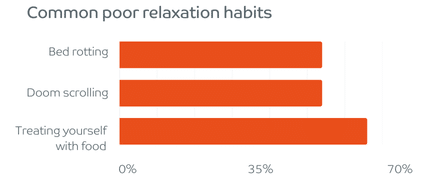
People are increasingly trying to ‘tune in’ to their bodies and take a well-rounded approach to wellbeing — this has put resting, and different types of rest, in the limelight.
40% of people say their sleeping patterns are a key aspect of taking care of their mental wellbeing, with surveys showing that even gym-buffs are taking an average of 2.5 rest days per week – using rest as a tool for gaining muscle and maintaining a work-rest balance.
Trend 4: Preventative health gets personal
Westfield Health CEO, Dave Capper, takes us through his vision for a future where health policy prioritises prevention, rather than treatment. With long-term sickness absence costing the UK billions each year, this on-going trend requires a new approach.
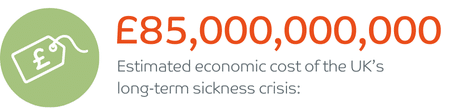
Seeing health as prevention over cure is fuelling new approaches to our wellbeing. NHS strategy calls for a major shift toward prevention, moving care out of hospitals and into communities and workplaces, but we need to go further and address the root cause of our national sickness crisis.
Trend 5: The dopamine debate
Despite the hype, dopamine detoxes aren’t about eliminating dopamine — they’re about reducing overstimulation. Taking breaks from constant digital hits helps reset focus and improve mental clarity, but hacking this complex brain system isn’t as simple as it sounds.
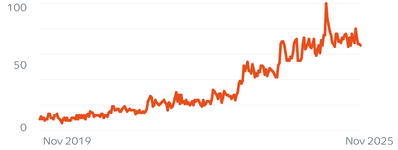
Google trends for ‘dopamine’ over the past six years.
From dopamine décor, diaries and interactive apps, dopamine has been ranking up the trends on social media and is being utilised to take charge of our motivation and everyday habits.
Download the full Wellbeing Trends 2026 report for free
Discover what’s shaping workplace wellbeing in 2026 with our Wellbeing Trends report.
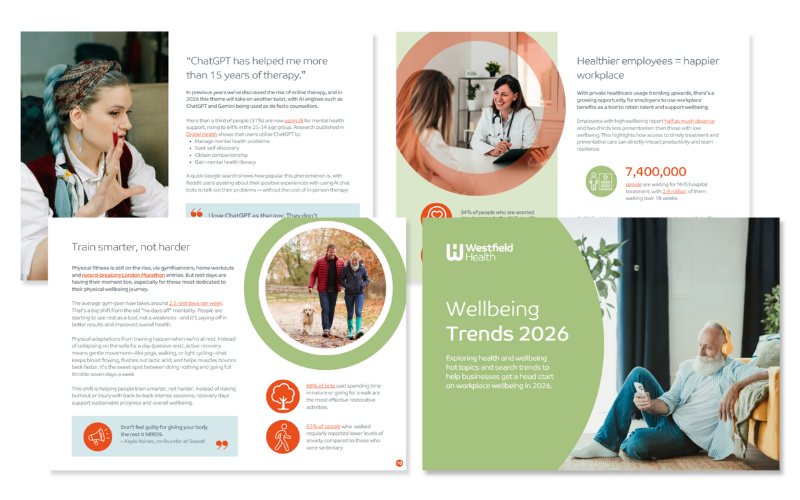
With insights from Google search data, NHS statistics, consumer behaviour and Westfield Health’s own research, this guide gives business leaders, managers, and HR teams the tools to stay ahead and create healthier, happier workplaces.